

Specialized midlife care in ballard, seattle
Perimenopause & Menopause Care in Seattle
Care that helps you understand what’s changing, explore your options, and make decisions that fit your body and your life.
At The Health Collective, we offer individualized support through perimenopause, menopause and the years beyond—including when hormonal changes overlap with other health concerns.
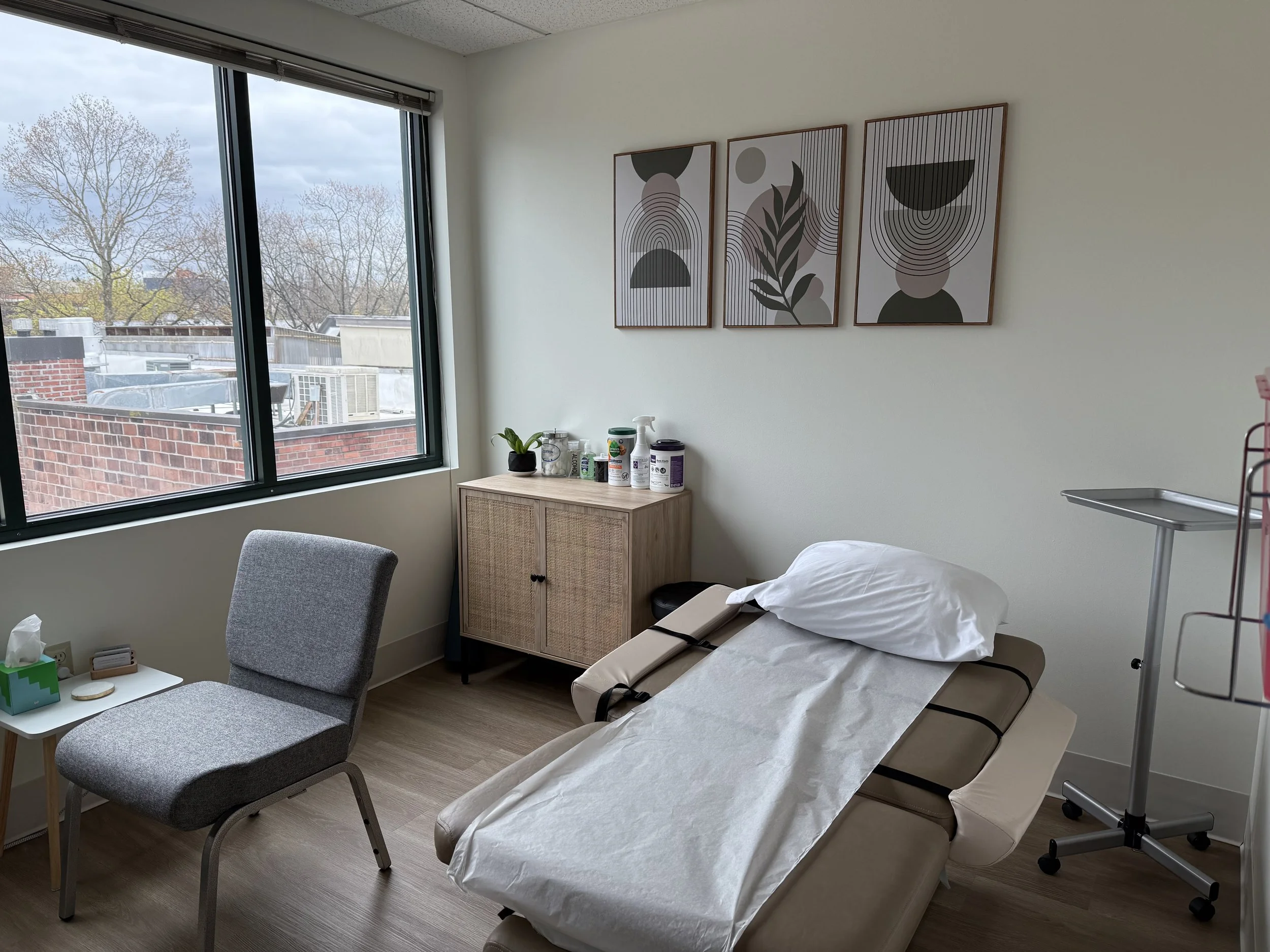
When Your Body Feels Different, You Deserve Care That Helps You Understand Why
you don’t have to have it all figured out before asking for support.
Perhaps your sleep has changed, your periods have become unpredictable, or your usual ways of managing the day no longer feel sustainable. You may be wondering whether hormones explain what you’re experiencing—or how much they contribute alongside an existing condition.
It can be difficult to sort through those questions while keeping up with work, relationships, caregiving and everything else life asks of you.
Our approach begins with listening. We make room for the symptoms that brought you here, the health history behind them, and what you most want help with now. Together, we work toward an explanation and a plan you can understand.
Menopause is a life transition, and your experience of it deserves individual attention. You can seek relief from difficult symptoms while also making space for changing needs, priorities and relationships with your body.
Symptoms & Concerns We Can Explore Together
People seek menopause care for many reasons. Your experience may include:
Changes in menstrual timing, flow or predictability
Hot flashes and night sweats
Difficulty falling asleep or staying asleep
Changes in concentration, memory or mental clarity
Mood changes, irritability or increased anxiety
Fatigue or a change in your usual energy
Changes in menstrual timing, flow or predictability
Hot flashes and night sweats
Difficulty falling asleep or staying asleep
Changes in concentration, memory or mental clarity
Mood changes, irritability or increased anxiety
Fatigue or a change in your usual energy
Vaginal dryness, irritation or discomfort with sex
Changes in sexual desire
Urinary symptoms or recurrent urinary concerns
Joint or muscle discomfort
Questions about changing body composition, strength or long-term health
These concerns can have more than one explanation. We consider what may be related to menopause and what deserves its own evaluation.
You are also welcome to seek care before symptoms become disruptive, after menopause, or when you want a clearer understanding of an existing treatment plan.
Vaginal dryness, irritation or discomfort with sex
Changes in sexual desire
Urinary symptoms or recurrent urinary concerns
Joint or muscle discomfort
Questions about changing body composition, strength or long-term health
Vaginal dryness, irritation or discomfort with sex
Changes in sexual desire
Urinary symptoms or recurrent urinary concerns
Joint or muscle discomfort
Questions about changing body composition, strength or long-term health
Our Approach to Perimenopause & Menopause Care
-
We start by understanding the changes you have noticed and how they affect your day. That conversation may include menstrual patterns, previous hormone use, medications, sleep, sexual health, nutrition, movement and other medical concerns.
We also ask what feels most pressing. Better sleep, more comfortable intimacy, help with unpredictable symptoms and confidence in treatment decisions are different goals. Your priorities help determine where we begin.
-
Testing should have a clear purpose. Depending on your history, evaluation may help investigate other contributors to symptoms or inform treatment decisions.
Perimenopause is often assessed through symptoms and menstrual history rather than a single hormone result. We explain what any recommended test may tell us, its limitations, and how the result could affect your care.
-
A treatment conversation may include menopausal hormone therapy, sometimes called MHT or HRT, as well as nonhormonal approaches.
We consider your symptoms, medical history, preferences and current treatments when discussing the potential benefits and risks. Recommendations may also address sleep, nutrition, movement, stress and other practical supports. Medications, selected supplements or botanicals, and referrals may be considered when appropriate.
You have room to ask questions, consider alternatives and participate in the decision. Choosing a treatment is the beginning of an ongoing conversation about how well it works for you.
-
If you already live with chronic symptoms or another diagnosis, new changes can be harder to interpret. We review the broader picture rather than assuming every symptom has the same cause.
That may involve reviewing previous testing, considering treatment tolerability, or coordinating with other clinicians. The goal is a plan that accounts for the care you already receive and the support you need next.
-
If you’re experiencing urinary leakage, pelvic discomfort or pain with intimacy, pelvic floor concerns can be part of your menopause care conversation. Jenna also offers pelvic floor therapy and can help you explore whether it may be appropriate for your symptoms and goals.
Explore Pelvic Floor Therapy →
What Makes Our Care Different
01
Room for the Full Conversation
Symptoms rarely arrive as a neatly organized list. We make space to discuss what has changed, what you have already tried and the questions that have not yet been answered.
02
Attention to Overlapping Concerns
Your existing health conditions, medications and past treatment experiences belong in the conversation. We consider those details when evaluating symptoms and discussing next steps.
03
Decisions You Can Participate In
We explain our recommendations and welcome your questions. Your preferences, resources and capacity help determine a plan you can realistically follow.
Meet Your Menopause Care Provider
Jenna Rayachoti, ND
Dr. Jenna Rayachoti is a naturopathic physician with more than a decade of experience in women’s health and a clinical focus on perimenopause and menopause.
Her work brings together clinical evaluation, patient education and attention to the wider context of hormonal change. She also works with people navigating chronic concerns, digestive symptoms and burnout. Jenna also offers pelvic floor therapy, bringing an additional area of support to care for patients navigating menopause alongside pelvic or urinary concerns.
Jenna sees patients at The Health Collective in Ballard and offers telehealth for patients located in Washington.

What We Will Work Toward Over Time —
Your goals may include:
Understanding the changes you are experiencing
Finding useful support for the symptoms affecting daily life
Feeling more informed about hormone therapy and other options
Having a manageable plan rather than a growing list of conflicting recommendations
Knowing when to reassess treatment or investigate something further
Feeling more confident bringing questions and preferences into your care
Experiences and treatment responses vary. We revisit your goals together rather than assuming progress should look the same for everyone.
Support for the Life You Are Living Now
—
There may be parts of this transition you welcome and others you find difficult. You do not need to feel one particular way about it.
Our conversations can include how your needs are changing, what feels difficult to sustain, and where additional support might help. Recommendations should account for your time, energy, finances and life responsibilities.
You can start with the concern that matters most today. There is room for the rest of the conversation as care continues and our relationship develops.
have questions?
Frequently Asked Questions About Perimenopause & Menopause Care —
-
Perimenopause is the transition leading up to menopause, when menstrual patterns and symptoms may change. Natural menopause is generally identified after 12 months without a period, when another cause does not explain the absence. Postmenopause refers to the time that follows.
Hormonal contraception, surgery and other treatments can make that timeline less straightforward.
-
Yes. You do not need a diagnosis before scheduling. We can review your symptoms and history, consider possible explanations, and discuss whether further evaluation would be helpful.
-
No. Bring previous results if you have them, but you do not need to arrange new tests before establishing care. Your provider can help determine whether testing would add useful information.
-
No. Hormone therapy is one option. Your care can include a discussion of nonhormonal approaches and other supports based on your symptoms, medical history and preferences.
If you are interested in hormone therapy, we can discuss whether it may be appropriate and what follow-up would involve.
-
You can bring those concerns into your menopause care. We review your existing diagnoses, treatments and symptom history when considering new changes.
When appropriate, we can collaborate with your other providers or recommend additional evaluation. You do not have to choose between discussing menopause and discussing the rest of your health.
-
No. You are welcome whether menopause is your primary reason for seeking care or one part of a more complex health picture.
-
No. You can still discuss symptoms, treatment questions and ongoing health concerns. The options that make sense depend on your individual history, including your age, time since menopause and other health factors.
-
Let your provider know which surgery you had and whether one or both ovaries were removed. That history matters when understanding hormonal changes and discussing care. Not every hysterectomy causes immediate menopause.
-
Yes. Bring your current prescriptions, doses, previous testing and any concerns about benefits or side effects. We can review the plan with you and discuss appropriate next steps or coordination with your prescribing clinician.
-
Yes. Tell your provider about new or changing bleeding patterns. Bleeding after menopause—including spotting—should be evaluated rather than assumed to be a routine hormonal change.
-
Jenna offers in-person care at The Health Collective in Seattle’s Ballard neighborhood and telehealth for patients located in Washington.
Our clinic is at 5470 Shilshole Ave NW, Suite 502, Seattle, WA 98107.
-
The Health Collective provides out-of-network care and does not bill insurance directly. Superbills are available upon request for potential reimbursement, which depends on your plan.
Your Next Step Starts Here
At The Health Collective, we create space for your questions and help you make sense of your symptoms, options, and next steps. Connect with us for perimenopause and menopause care in Ballard, Seattle, with support shaped around your concerns and priorities.
Your Next Step Starts Here
You may be ready to talk through treatment options. Or you may simply want a clearer understanding of what’s happening in your body.
At The Health Collective, we create space for your questions and help you make sense of your symptoms, options, and next steps. Connect with us for perimenopause and menopause care in Ballard, Seattle, with support shaped around your concerns and priorities.